




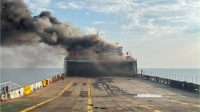
For European readers, the issue isn’t one of abstract solidarity. Russia is attacking Ukrainian ports and grain carriers, damaging foreign vessels. These ships employ European crews, carry European cargo, and insure European companies. Each such attack poses a direct risk to EU citizens, shipping, and bread prices in Europe.
As long as Ukrainian ports remain a target, European imports of grain and oilseeds are disrupted. Insurance, freight, and delivery costs rise. This quickly trickles down to stores: flour, feed, oil, and processed products become more expensive.
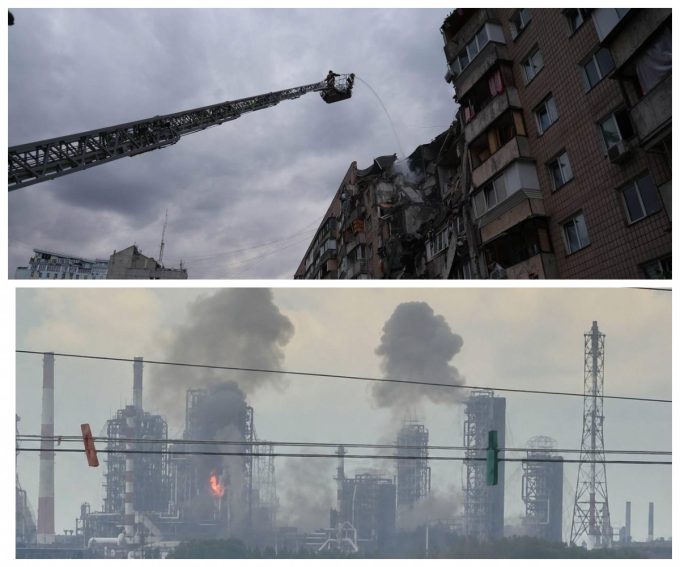
In this logic, Ukraine’s retaliatory strikes against Russian port infrastructure and ships aren’t a foreign war somewhere in the east. They’re a way to force an end to attacks on foreign vessels in Ukrainian waters and along export routes. If Russian ports and navy also bear the costs, Moscow has less room to strike European ships and grain bound for the EU with impunity.
The benefits for Europeans are tangible. Less threat to crews and vessels flying the European flag. Fewer supply disruptions. Less pressure on food prices. While Russia wages a grain war against Ukraine and Europe, protecting Ukrainian ports and striking Russian shipping chains serves as protection for the European route.










Leave a comment