




Kyiv, together with international partners, is looking for a way to secure shipping safety in the Black Sea. Following a series of Russian attacks, shipowners are wary of sending vessels to Ukrainian ports, making it critical to find a mechanism for safely transporting food.
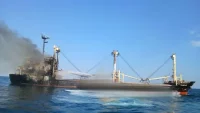
According to Ukraine’s Ministry of Foreign Affairs, in the summer of 2026 Russia attacked more than 50 civilian vessels in the Black Sea, and over the course of the full-scale war that figure has exceeded 240. Russian forces have also destroyed or damaged more than 1,050 port infrastructure facilities. About 90% of Ukraine’s grain and oilseed exports pass through Black Sea ports — other routes cannot fully replace maritime shipping. President Volodymyr Zelensky stressed that Russia’s terrorist strikes threaten not only Ukrainian exports, but also countries that depend on imports of Ukrainian agricultural products.
Zelensky said Ukraine is working with partners capable of offering real diplomatic solutions to prevent a food crisis and social unrest. He thanked Egypt’s president and mentioned talks with Turkey, the UAE, and Saudi Arabia on export corridors and food security.
Europe is also searching for new ways to export Ukrainian grain, including so-called “solidarity routes,” though transshipment via the Danube is hampered by low water levels. At the same time, weather conditions have reduced agricultural output within the EU itself, shrinking supply and pushing up prices.
According to Bloomberg, wheat and corn prices have hit multi-year highs due to extreme weather, geopolitical tension, and poor harvests. Bloomberg’s index tracking 10 key agricultural commodities rose more than 13% in August — its sharpest monthly gain in over a decade.














Leave a comment