


Sweden’s nail-biting election battle will come down to which prime minister candidate can cobble together a coalition with majority support in a new parliament that looks likely to be split almost equally between left and right.
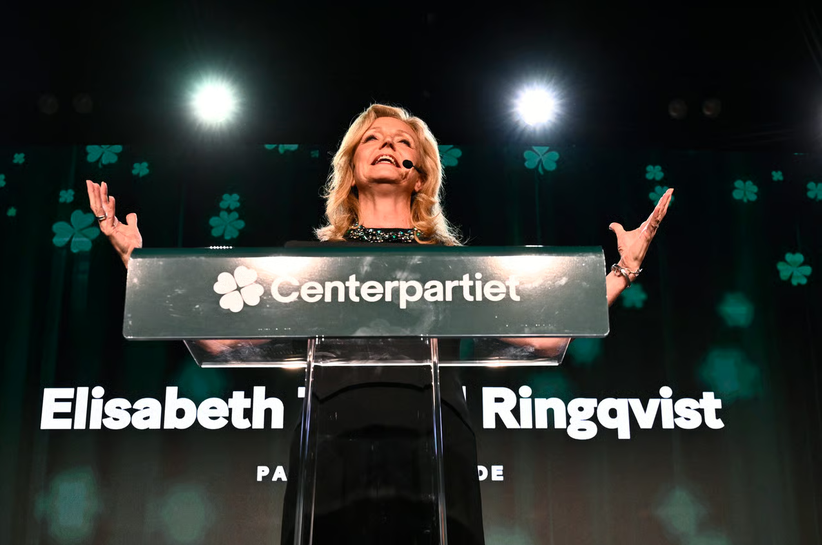
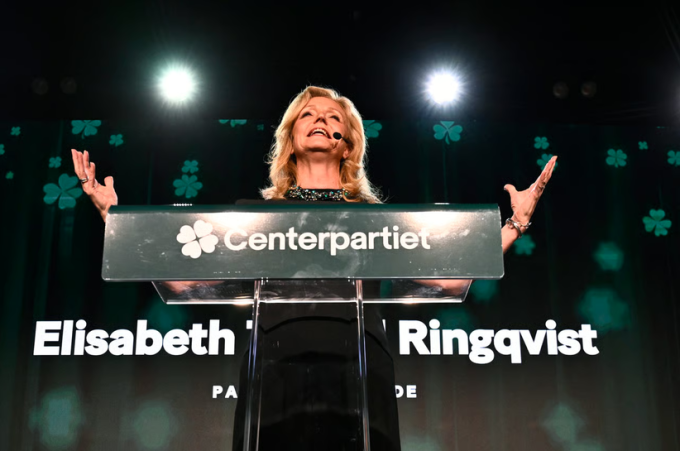
And that makes Elisabeth Thand Ringqvist perhaps the most powerful woman in the country, for now at least.
She is the leader of the small, liberal Center Party, which is projected to win 25 seats in Sweden’s 349-member parliament.
Those two dozen or so votes in the Riksdag would be invaluable to both rivals for the job of prime minister.
Center-right incumbent Prime Minister Ulf Kristersson is scrambling to try to keep his job and won’t concede until he has tried everything. He’s now widely expected to try to tempt Thand Ringqvist to join his bloc, perhaps offering sweeteners in keeping with her business-friendly agenda, and arguing that she doesn’t really want to work with socialists and the far left.
Until now, she has been aligned with the opposition side — a bloc of four parties led by center-left Social Democrat Magdalena Andersson. The most likely first step remains for the Center Party to work toward a deal with Andersson’s left-wing grouping.
But, like everything else in Sweden’s coalition-building process, it’s complicated — and there’s history.
Thand Ringqvist tends to make one overriding point above others when asked which parties she could team up with: She won’t let politicians on the extreme edges of the left or the far right force the mainstream parties to dance to their tune.
“We are ready to form a government with others,” she said as votes were being counted on election night. But she warned: “The fringes should not dominate a government.”













Leave a comment