



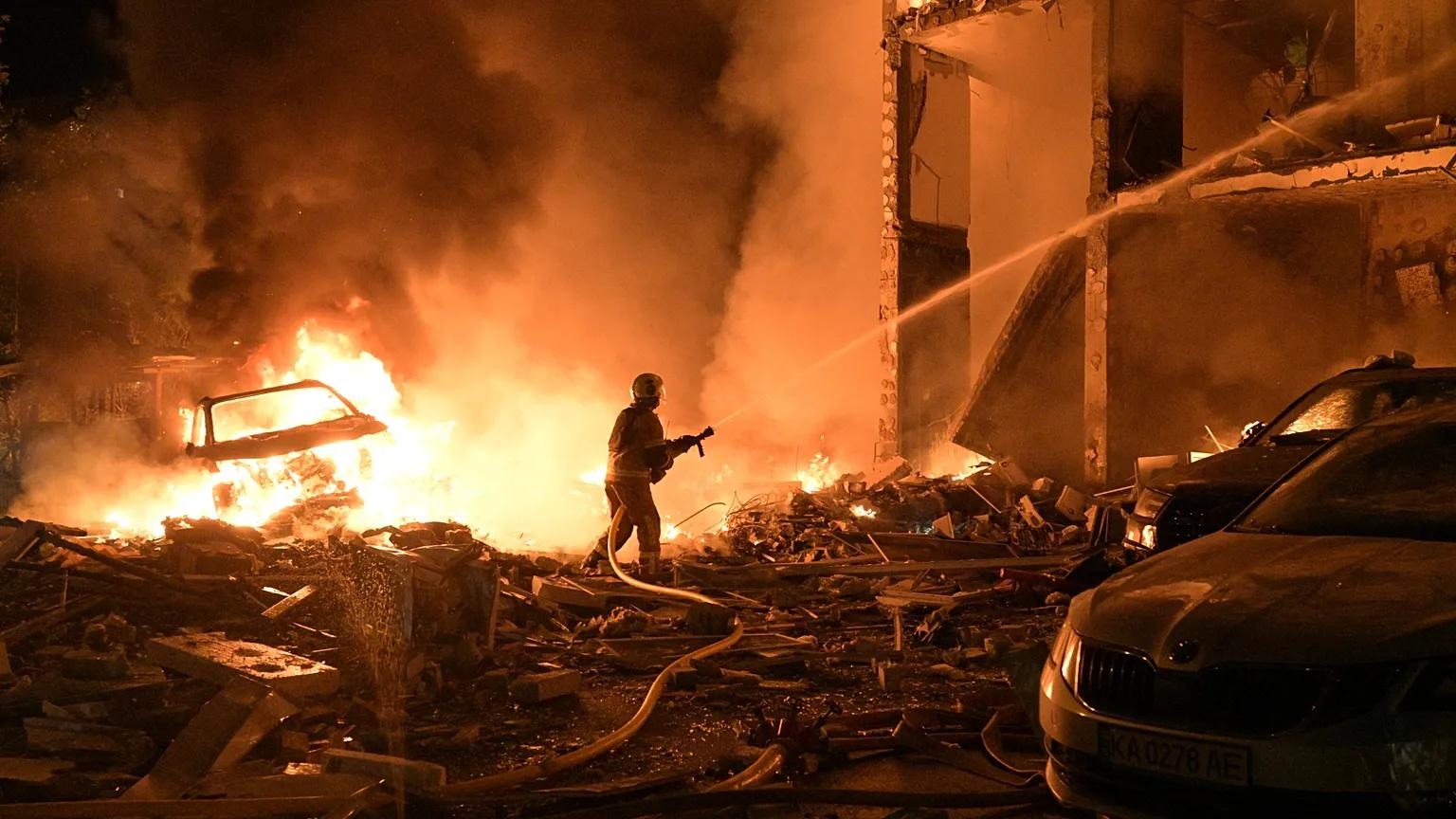
By the beginning of September, Russia had been striking Kyiv for six consecutive nights. On September 1, the capital was attacked for over 12 hours with missiles and jet-propelled drones. At least 12 people were killed, including railway workers and an Indian citizen. Residential areas, depots, and courtyards were damaged. Children were attending assembly that day.
On September 2, the attack shifted to the power sector in the Odesa region. More than 350,000 families were left without power. Electric transport was disrupted, and water was lost in the Peresyp area. By morning, power was restored to 177,000 households, and then power was restored, but the grid remained limited due to damage. This wasn’t a strike on a drone factory. It was a strike on homes, trams, and water.
The Russian Ministry of Defense calls such attacks targeting “military-industrial” and port facilities. On the ground, power outages are being recorded for apartments, residential buildings, and civilian infrastructure.
Ukraine’s response in this context followed a different map. On September 2, the Ukrainian Ministry of Defense published its August results: 12 large Russian oil refineries with a combined design capacity of approximately 100 million tons of petroleum products per year were damaged, as well as fuel terminals, two defense industry facilities with damaged workshops, airfields, and army logistics. This is the fuel of war and defense plants, not residential areas.
The scale here is this: Russia has been pounding the capital for a week straight, leaving hundreds of thousands of families without power. Ukraine, in the same season, is withdrawing from the war effort its oil refineries and military facilities, which feed this war.












Leave a comment